1 hr 30 min
Lake Tekapo Dark Sky Stargazing
Gaze at southern constellations through powerful telescopes in a UNESCO Dark Sky Reserve
Reserve
Where the Milky Way unfolds in silence, a thousand kilometres from city glow
Hand-picked by our editors — only the best 4 experiences from 12 reviewed.
Verified partners for Mount John Stargazing tours, free cancellation where available, and instant confirmation on every booking.
1 hr 30 min
Gaze at southern constellations through powerful telescopes in a UNESCO Dark Sky Reserve
Reserve
1 hr 15 min
Venture into one of Earth's darkest skies and explore deep space through powerful telescopes.
Reserve
1 hr 45 min
Journey to the heart of a Gold-Rated Dark Sky Reserve for telescope viewing and expert-led celestial storytelling
ReservePrices from verified partners. Availability updates in real time at checkout. Free cancellation policies apply where shown.
The landmarks, rooms, and views travelers on Mount John Stargazing tours remember — all visible on a single visit.
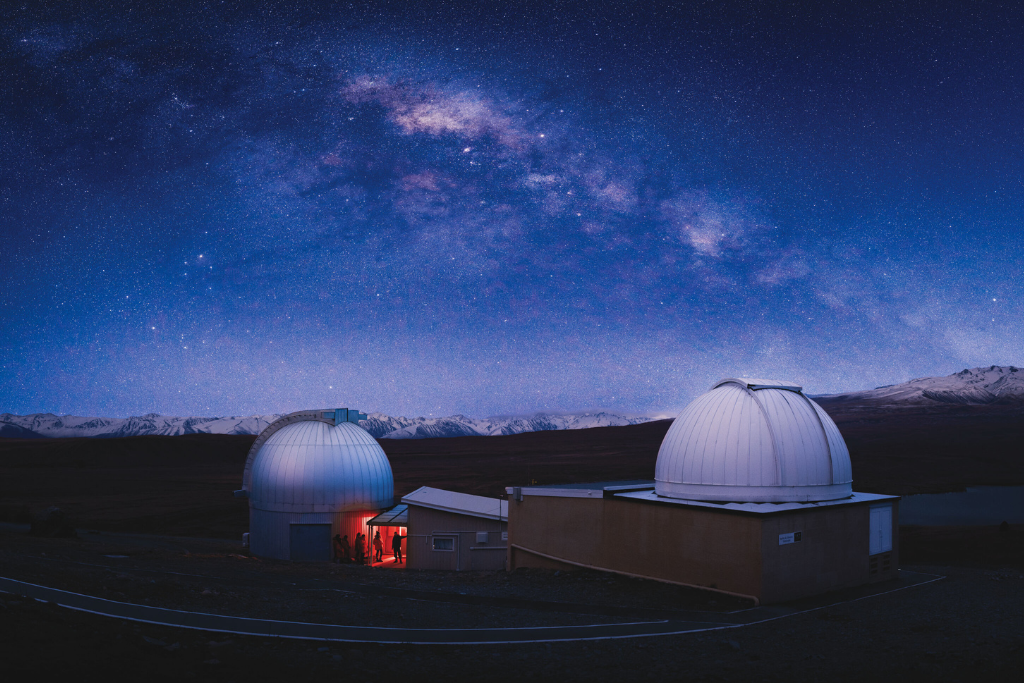
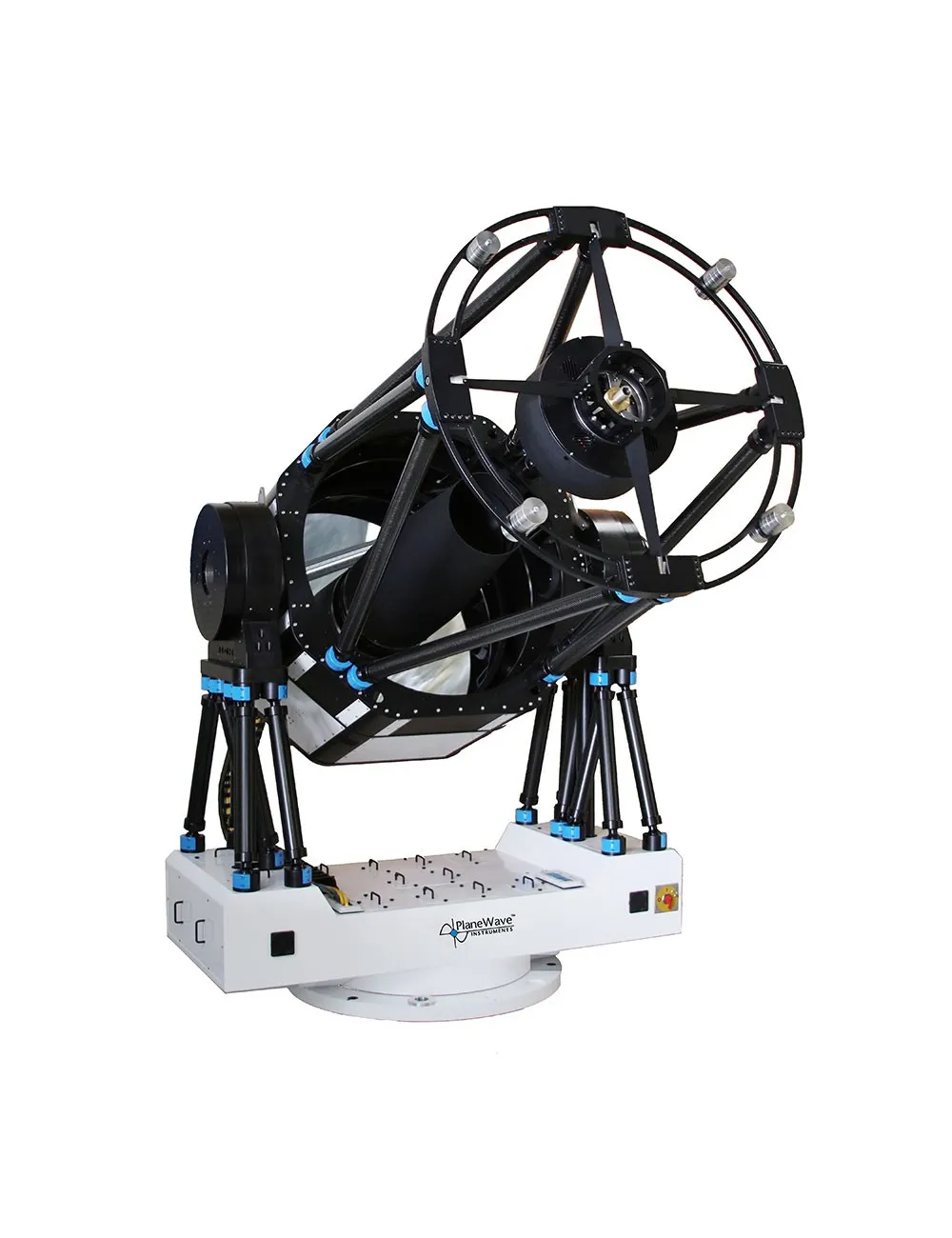
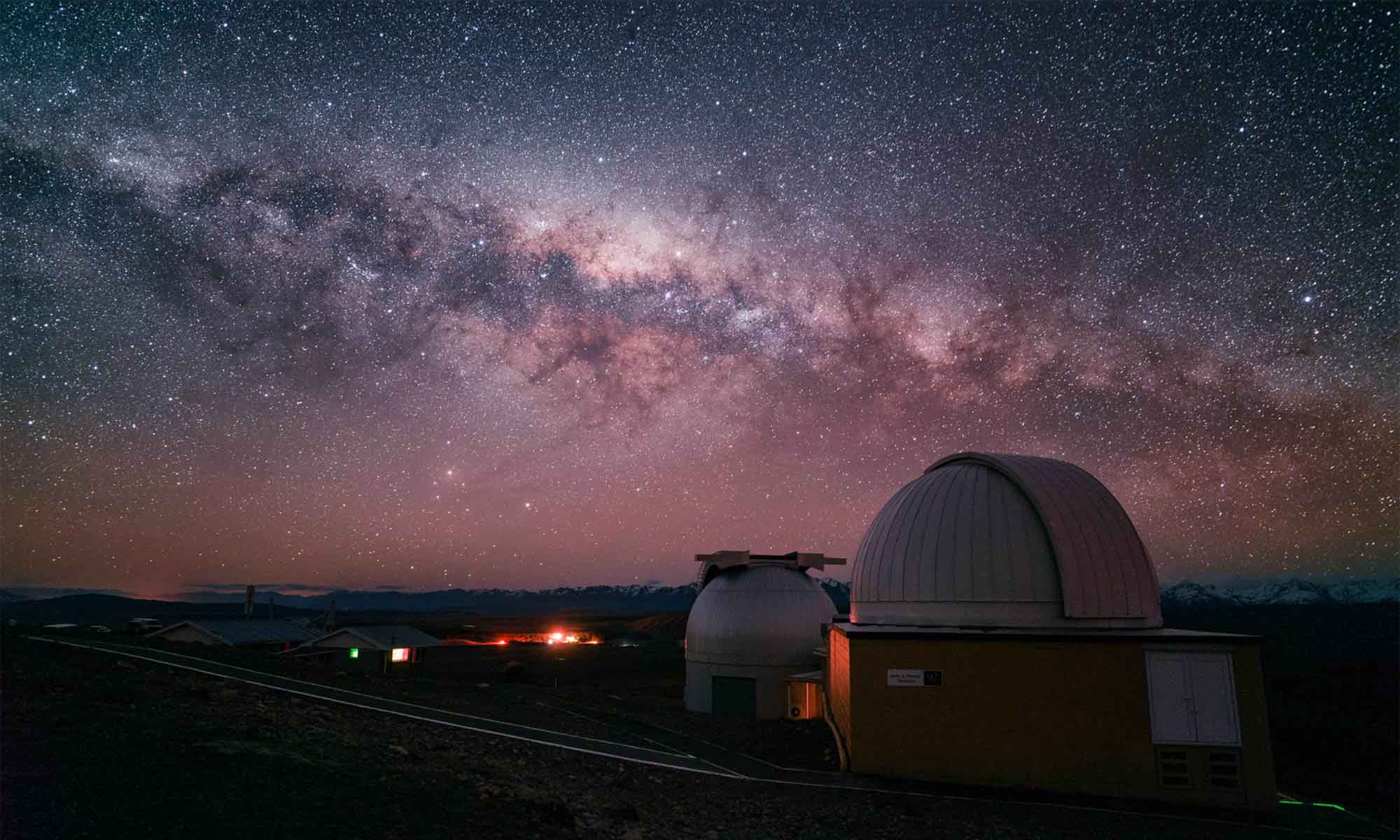
This 1.8-metre telescope is the largest in New Zealand and is a key instrument for microlensing research.
MOA Telescope
McLellan Telescope
Astro Cafe
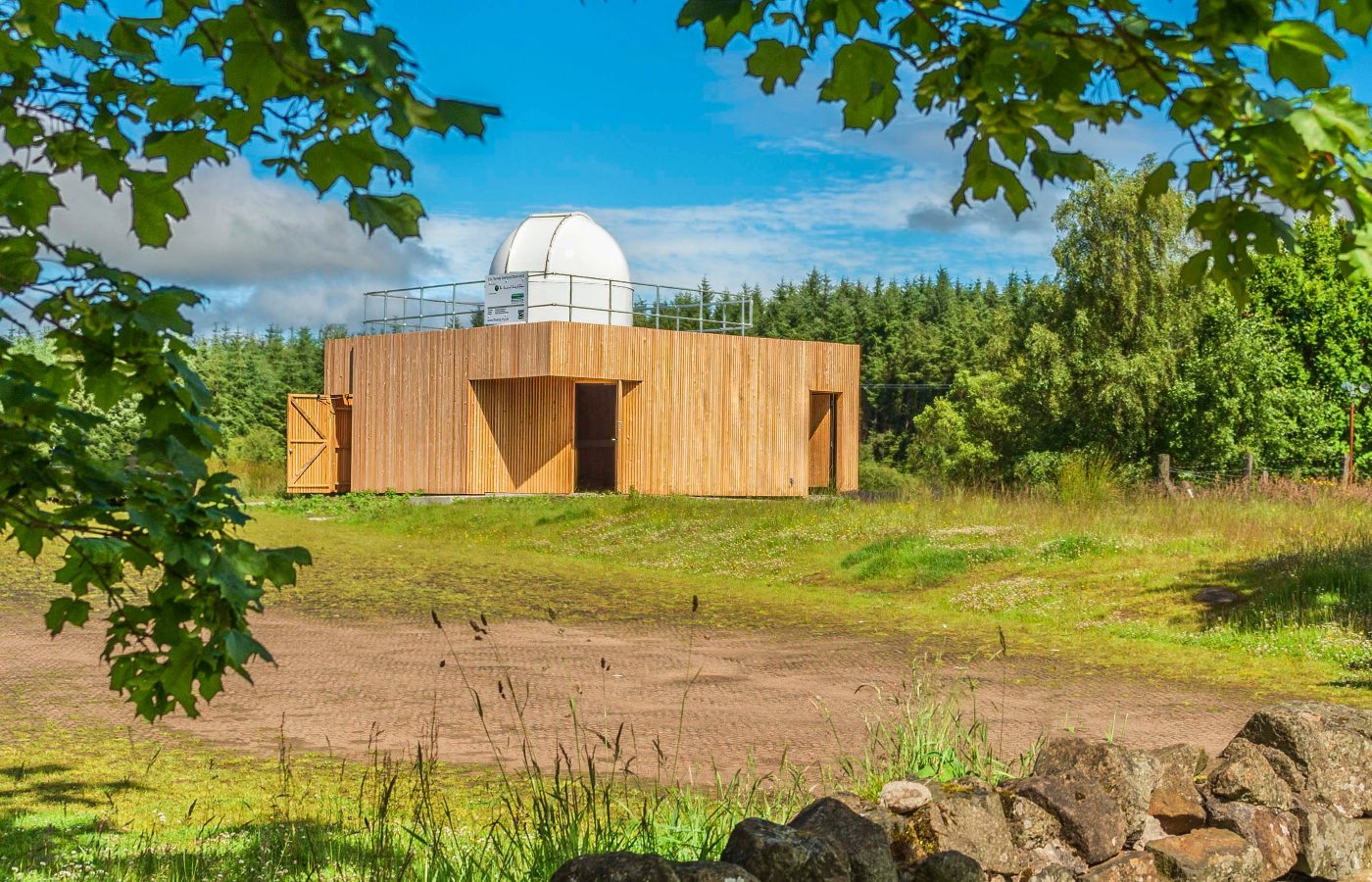
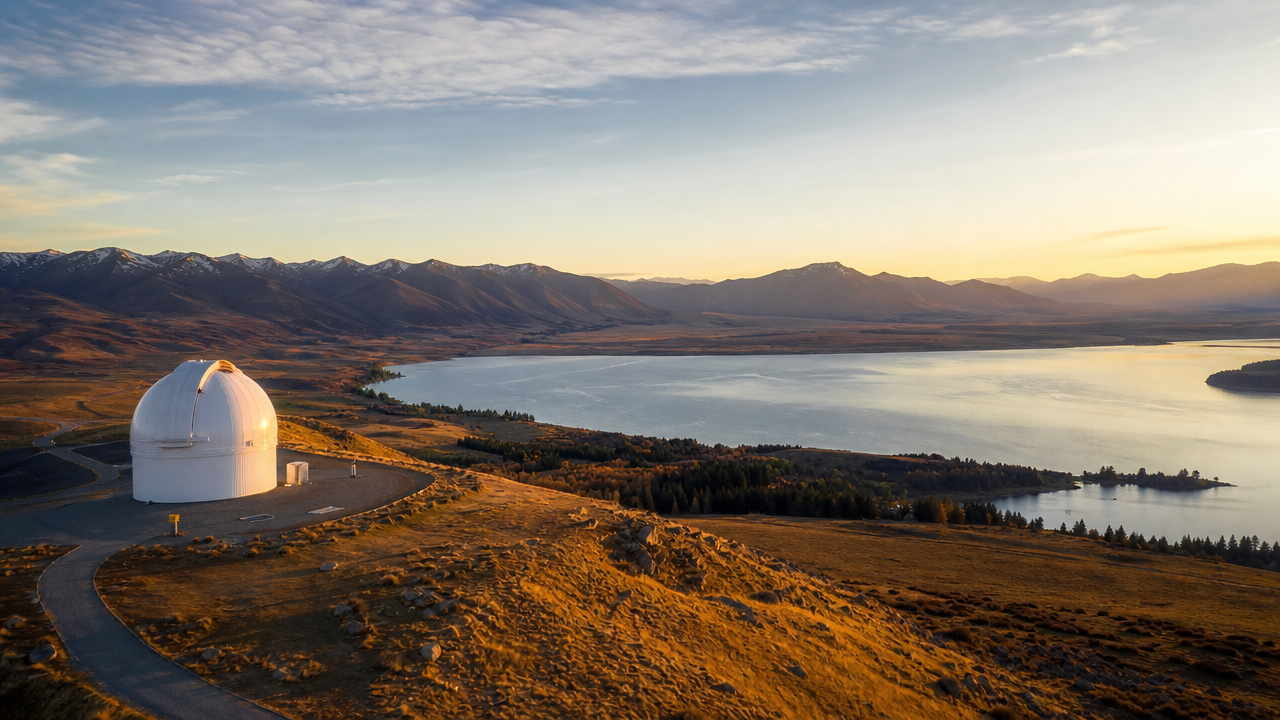
Observatory Summit
Every Mount John Stargazing tour side-by-side — duration, what's included, how you redeem.
| Experience | Duration | Rating | Small group | Free cancel. | Price | |
|---|---|---|---|---|---|---|
|
Standard Entry Most popular
Lake Tekapo Dark Sky Stargazing
|
1 hr 30 min | ★ 4.9 | — | ✓ | €61 | Book → |
|
Standard Entry
Alpine Stargazing Experience at Lake Tekapo
|
1 hr 15 min | ★ 4.6 | ✓ | ✓ | €60 | Book → |
|
Standard Entry
Mount John Summit Stargazing Experience
|
1 hr 45 min | ★ 4.6 | — | ✓ | €111 | Book → |
All prices from verified partners. Availability and exact terms confirmed at checkout.
The mount john stargazing tour provides a high-altitude professional observatory setting, while Tekapo Star Gazing offers a convenient village-based celestial experience; visitors who prioritize scientific depth often choose the former as the more immersive choice.
| Feature | Top pick Mount John Observatory | Tekapo Star Gazing |
|---|---|---|
Altitude |
1031 meters | 700 meters |
Accessibility |
Steep winding mountain road | Easy village access |
Professional Telescope Access |
Yes | No |
Atmospheric Clarity |
High mountain vantage point | Good basin visibility |
Infrastructure Level |
Research observatory facilities | Heated comfort zones |
Tour Duration |
1.5–2.5 hours | 1.5–2 hours |
| See tickets → |
Verdict: Choose the mount john stargazing tour tour for genuine research-grade optics, or select the rival experience if you prefer accessible mount john stargazing tour tours and relaxed, ground-level comfort when purchasing your mount john stargazing tour tickets.
Choose your ticket, select your date, and reserve in under two minutes. Secure checkout handled by our verified partner.
Instant confirmation by email, with a mobile voucher you can save offline. No printing, no queuing at a collection desk.
Arrive at the entrance, show your voucher on your phone, and walk in. Most tickets include priority or skip-the-line access.
Practical details for Mount John Stargazing tickets straight from our verified partners — hours, access, rules, and how to get there.
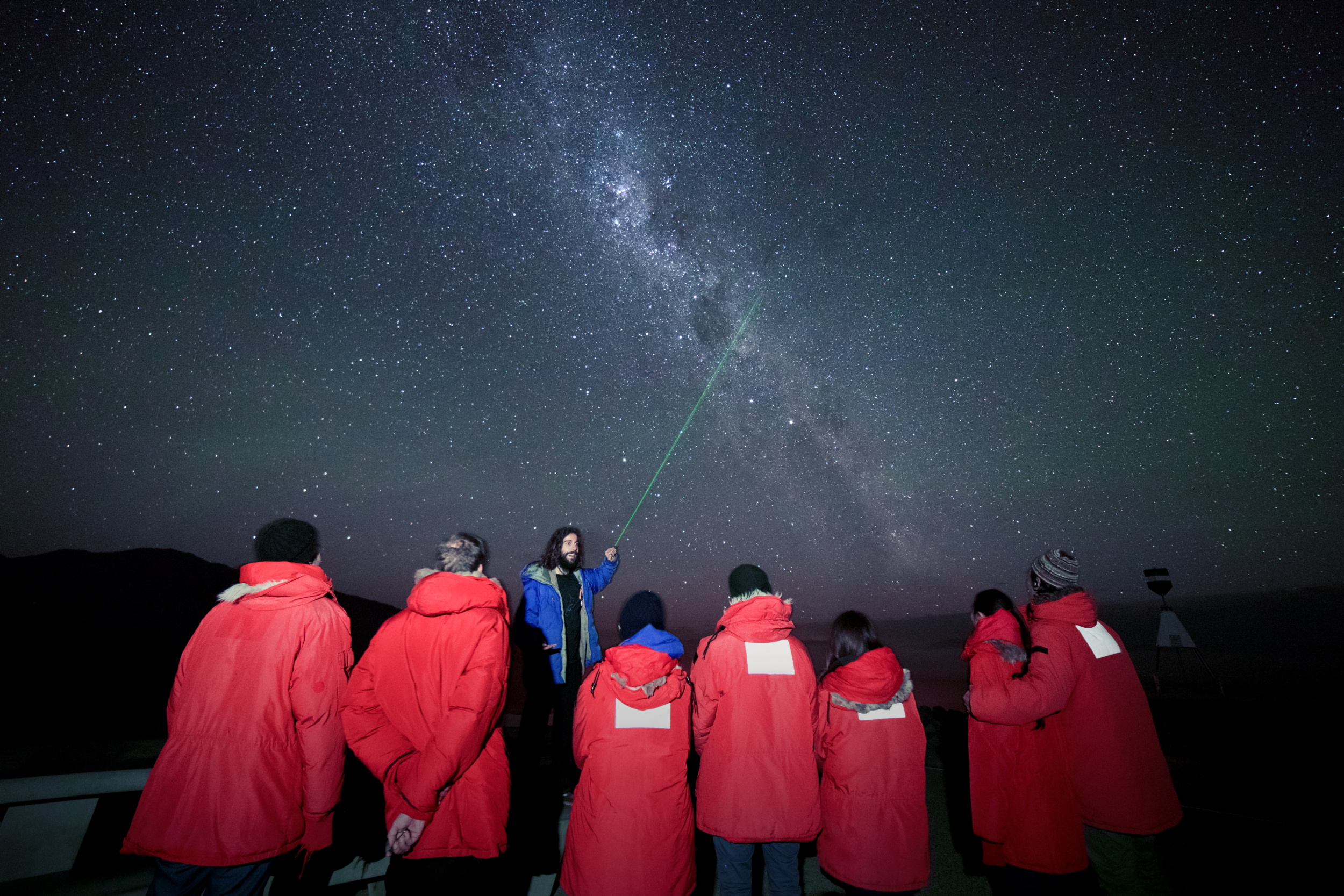
Stargazing guests should wear warm, layered clothing as summit temperatures drop significantly at night. Extreme Cold Weather jackets are provided for your mount john stargazing tour.
Personal bags are permitted but should be kept to a minimum for the mount john stargazing tour. Ensure your belongings are secure during the transfer to the observatory summit.
Photography is generally permitted, though using flashes during a mount john stargazing tour is prohibited to preserve night vision. Respect observatory equipment and astronomer instructions.
A moderate level of fitness is needed for the mount john stargazing tour due to gravel paths and steps in the dark. Please contact the operator if you require a more accessible experience.
Mobile phones are permitted. Keep ringer off inside exhibition spaces.
Children must be accompanied by an adult during the mount john stargazing tour. Minimum age requirements may apply to certain summit experiences.
The Astro Cafe serves coffee and snacks during daytime hours. Food is not typically provided during the night-time mount john stargazing tour unless specified in your booking.
Pets are not allowed, with the exception of service animals with appropriate documentation.
Last entry is typically 1 hour before closing. Check the specific ticket for timing.
Best time to go, insider tips, nearby landmarks, and the cancellation fine print — flip through to skim what matters to you.
Flexible, no hidden fees.
Cancellation policy applies for any booked mount john stargazing tour. Please check the official site for refund eligibility regarding your booking.
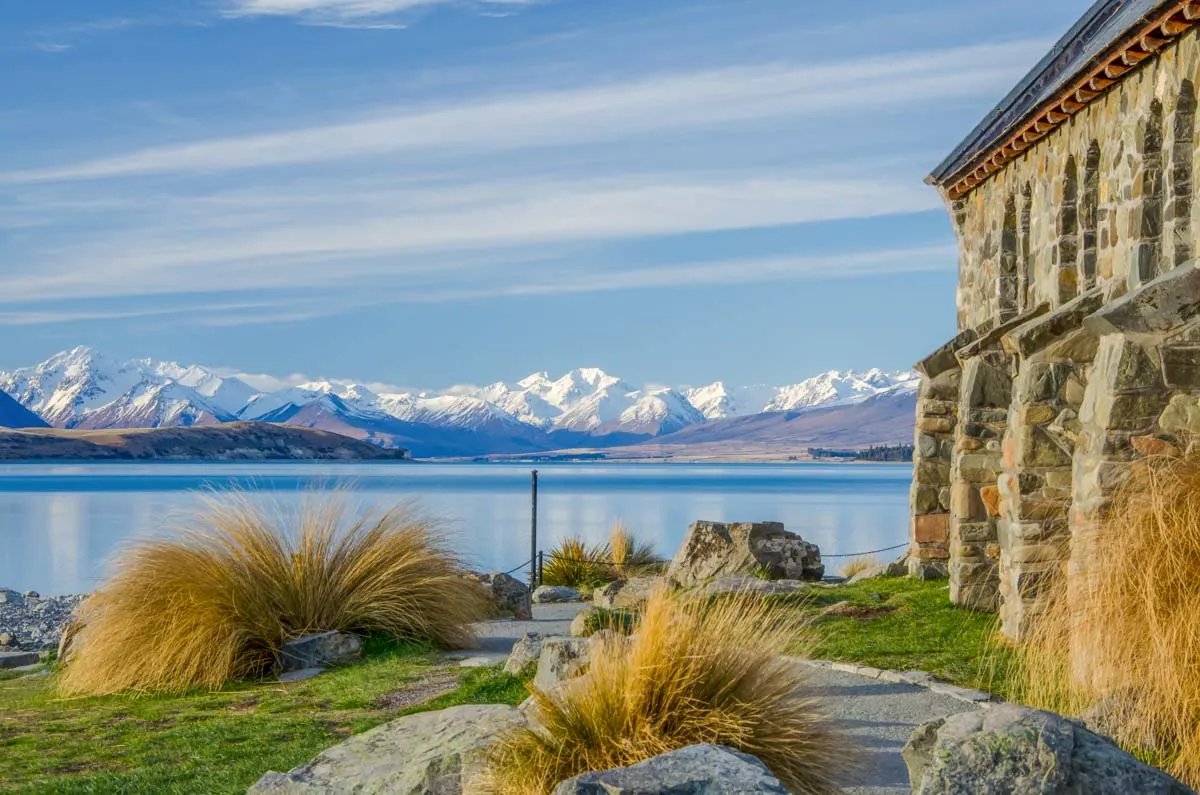
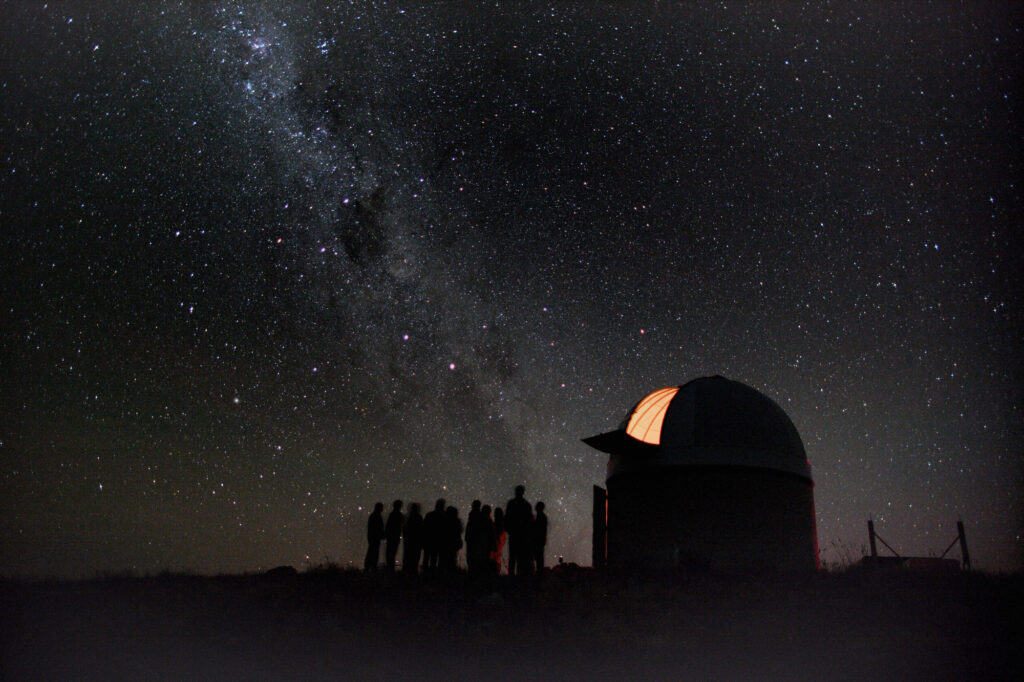
Mount John Observatory sits 1,029 metres above Lake Tekapo, claiming the clearest night skies in the Southern Hemisphere and some of the steadiest atmospheric conditions on Earth.
Operated by the University of Canterbury since 1965, the facility anchors the Aoraki Mackenzie International Dark Sky Reserve, certified in 2012 as the world's largest Gold-tier reserve by the International Dark-Sky Association. The surrounding basin receives fewer than thirty cloudy nights per year, a confluence of altitude, low humidity, and geographic isolation that draws research telescopes from Japan, the United States, and New Zealand's own MOA collaboration searching for exoplanets through gravitational microlensing.
The site houses six working research instruments, including the country's largest optical telescope, the one-metre McLellan, installed in 2005 to extend New Zealand's capacity in time-domain astronomy. Mount John's longitude places it in a unique observation window between Australian and Chilean arrays, filling a critical gap in global supernova and variable-star monitoring networks. During the southern winter, when the galactic core transits overhead, the observatory records photometric data for the Las Cumbres Observatory global telescope network, contributing to real-time alerts for transient events.
Public access began formally in 2007 when the Dark Sky Project secured evening rights to share the summit with research operations, a partnership that required careful scheduling to protect sensitive long-exposure programs. Guided mount john stargazing tour programs now rotate between the MOA dome, the rooftop observation deck, and the adjacent Astro Café, which operates by day and closes before twilight to preserve night adaptation. Visitors ascend via a sealed gravel road that climbs 330 vertical metres in four kilometres, switchbacking through tussock grassland that turns copper under the setting sun.
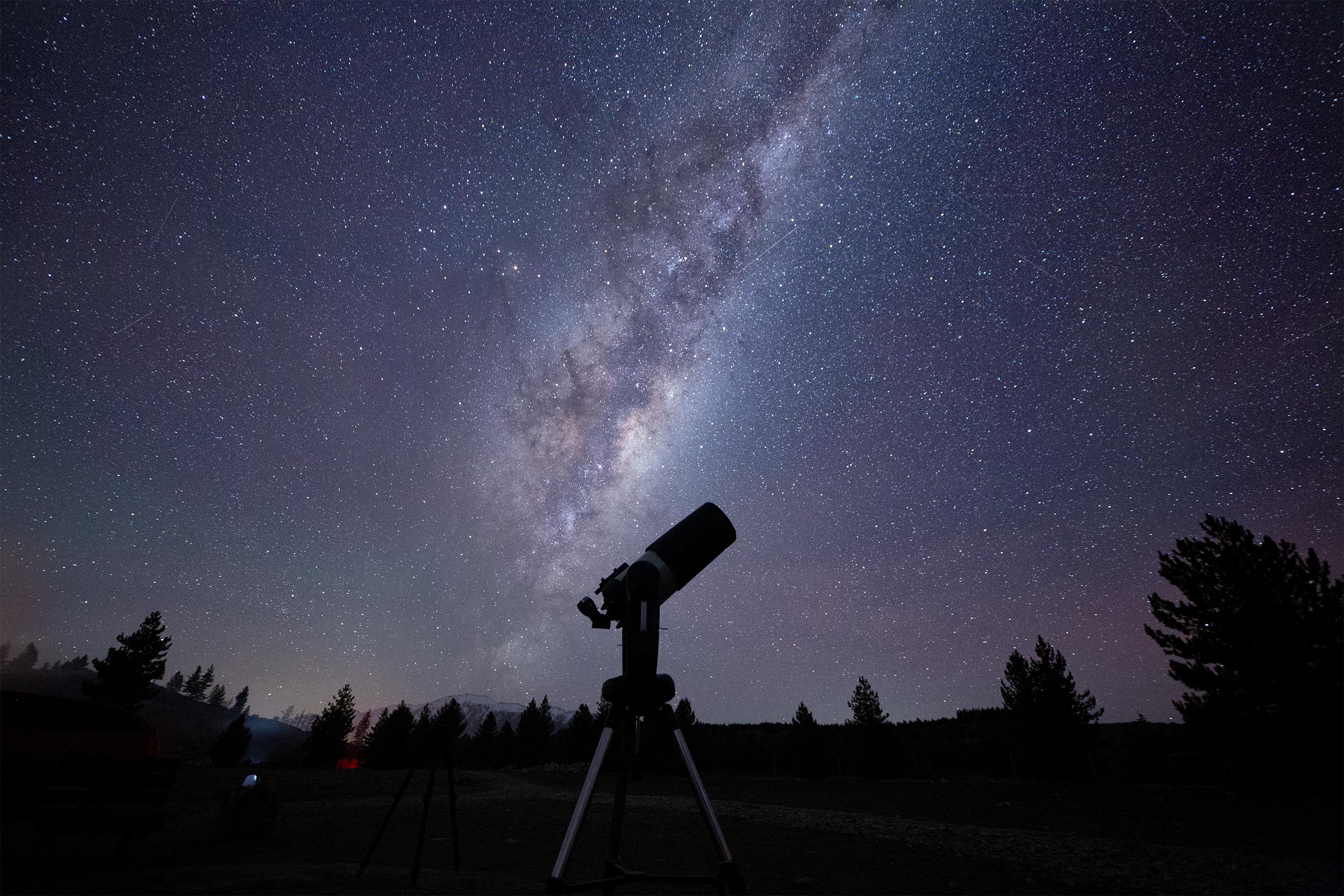
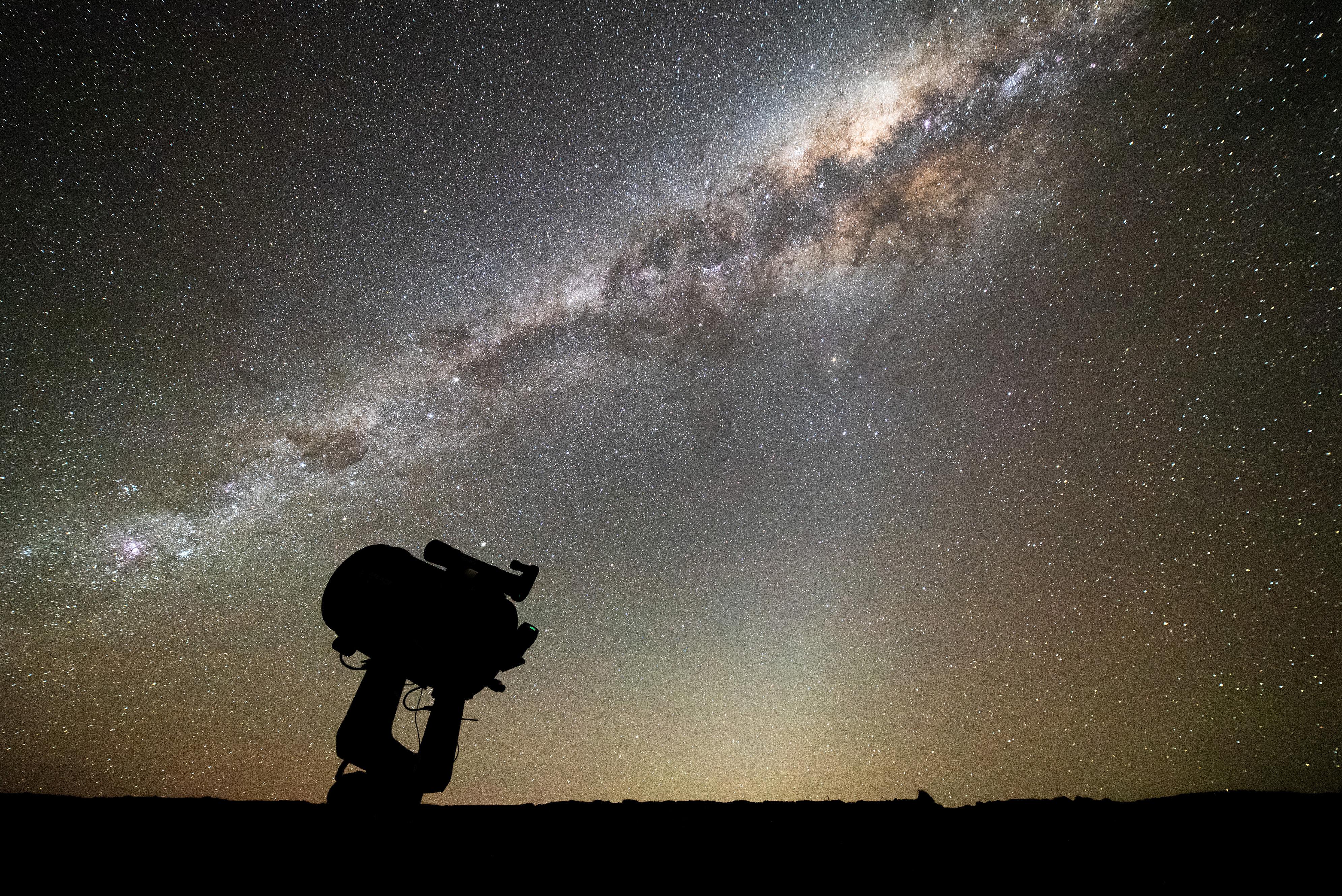
The observatory's reputation rests on quantifiable darkness: the site averages a naked-eye limiting magnitude of 7.2, meaning stars invisible to ninety percent of the global population appear here without optical aid. Light pollution ordinances enacted across the Mackenzie Basin in 2012 prohibit upward-directed fixtures and require amber-spectrum streetlights, measures that have kept sky quality stable even as Tekapo's visitor numbers have tripled. On moonless winter nights, the Magellanic Clouds cast faint shadows, and the zodiacal light—a wedge of interplanetary dust backlit by the sun—remains visible an hour after dusk, a phenomenon urban astronomers know only from archival photographs.

"The site averages a naked-eye limiting magnitude of 7.2, meaning stars invisible to ninety percent of the global population appear here without optical aid."
A step-by-step walkthrough of Mount John Stargazing tickets — what you'll see, how long each stage takes, and the details that matter.
You leave the village as the last alpine light drains from the peaks, turning onto the gravel track that winds toward the summit. The road narrows after the cattlestop, climbing through tussock that rustles in the thermal downdraft.
Your guide pauses at the first switchback to point out Canopus rising over the Ben Ohau Range, a white beacon that navigators once used to cross the Tasman Sea.
At the observatory plateau, you step into a red-lit briefing room where your night vision begins its slow recalibration. The guide distributes laser pointers and walks you through the southern constellations—Crux, Centaurus, the Coal Sack nebula occluding a dense star field. Outside, the MOA dome rotates with a low hydraulic hum, its aperture framing a slice of sky already thick with stars.
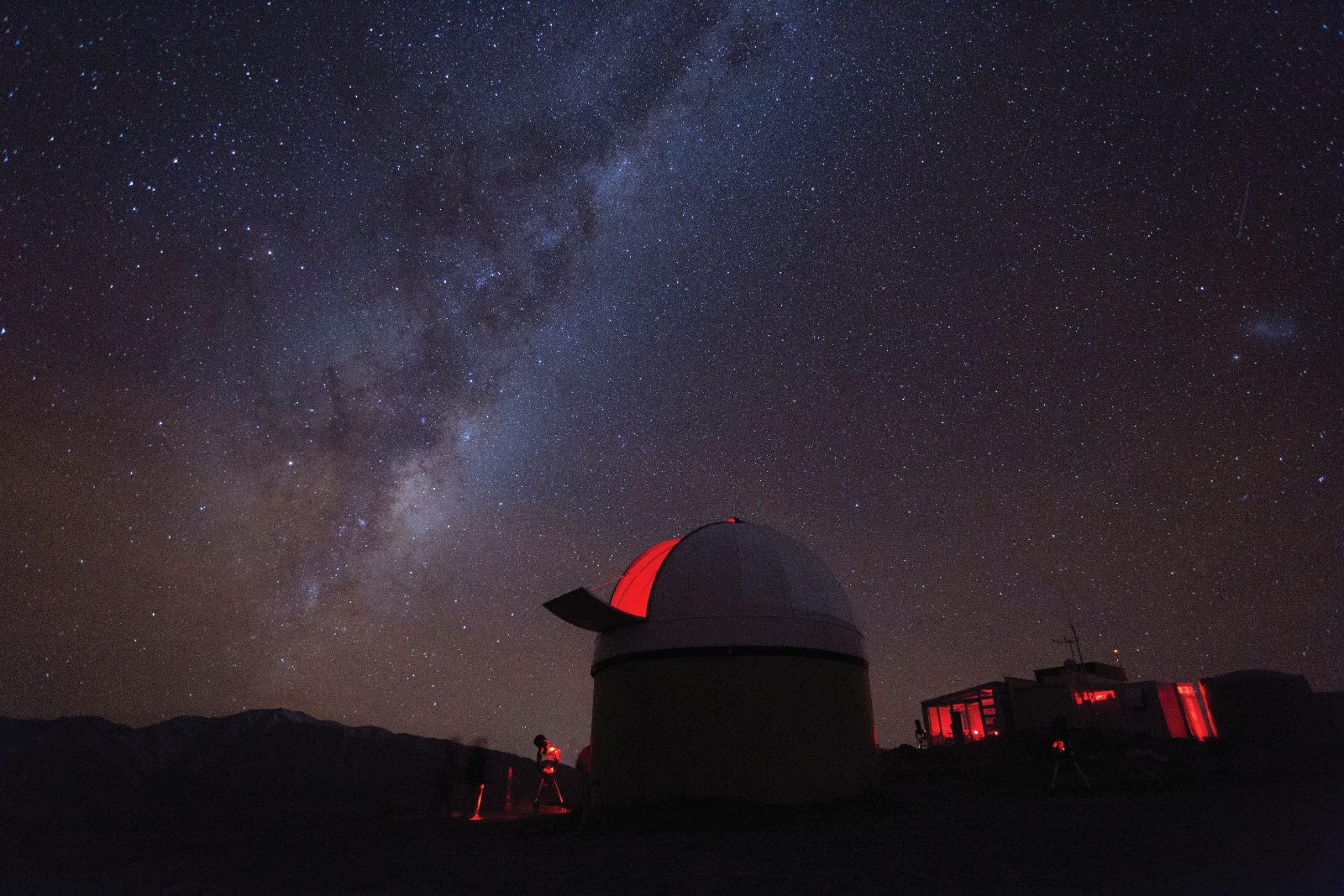
You move to the observation deck, where binoculars reveal the Jewel Box Cluster and the double star Acrux. The Milky Way arcs from horizon to horizon, no longer a faint smudge but a river of unresolved suns, dense enough that you lose count within seconds. Your guide directs the group's attention to the Large Magellanic Cloud, a satellite galaxy 160,000 light-years distant, visible as a faint glow no urban telescope can capture. Forty minutes pass before you realize you've been standing motionless, breath visible in the high-altitude cold, tracing the same patch of sky.
The facility is open daily from 09:00–16:00 for daytime access.
Daytime visitors pay an 8 NZD vehicle road access and parking fee per car at the gate.
Yes, booking mount john stargazing tour tickets in advance is essential to secure your spot.
Bring warm clothing and sturdy footwear, as summit temperatures are cold for a mount john stargazing tour.
Children are welcome but must be accompanied by an adult on the mount john stargazing tour.
Moderate fitness is required; if you need more accessibility, consider other local options instead of the standard mount john stargazing tour.
Photography is allowed without flash during your mount john stargazing tour experience.
In case of poor weather, an indoor astronomy experience is often provided as an alternative for your mount john stargazing tour.
Yes, the Astro Cafe is open during daytime hours for visitors to the observatory site.